Constellation was a platform-wide initiative to apply Drata's newly developed design system across the product.
The system introduced new visual foundations, components, layout patterns, and interaction models. However, most of it had not yet been validated against the complexity of real product workflows.
The system needed to be validated and tested across the platform to ensure it could support:
- Complex enterprise workflows
- Large datasets and multi-step processes
- Consistent navigation and interaction patterns
Successful implementation required reducing accumulated design and technical debt, strengthening the design system so it could be reliably used by engineering, and enabling teams to design, build, and ship features more efficiently.
I was one of four designers responsible for applying the system across the platform, with a focus on identifying inconsistencies, resolving design debt, and ensuring the system could support real workflows.
- Applied the system across complex product areas — Redesigned multiple parts of the platform using new layout, navigation, and interaction patterns
- Identified and resolved design debt — Surfaced inconsistencies in the legacy experience and aligned workflows to a more cohesive system
- Pressure-tested system patterns — Exposed gaps in components, layouts, and interaction models when applied to real-world use cases
- Contributed to system refinement — Partnered with the design system team to improve components and patterns based on real usage
- Supported implementation at scale — Wrote specifications, collaborated with engineering, and supported UAT to ensure quality in rollout
- Balanced system consistency with delivery constraints — Prioritized critical workflows for rollout within tight timelines, ensuring quality and cohesion despite high organizational pressure
Applying the design system across the platform was not a direct translation exercise.
Each product area had evolved independently, resulting in:
- Inconsistent layouts and navigation patterns
- Duplicated or slightly modified components
- Workflows that did not align with the new system structure
As we redesigned these areas, we:
- Reconciled conflicting patterns across product areas that had evolved independently
- Adapted system components to real workflows, where edge cases and complexity often broke the intended patterns
- Made tradeoffs between enforcing system patterns and adapting them to support complex workflows
- Worked closely with engineering to ensure feasibility, given the scale and time constraints of the rollout
This included working in areas I wasn't previously familiar with, requiring close collaboration with engineers to understand existing logic and ensure accurate redesigns.
Navigation — before and after applying the Constellation design system
Typography & layout — before and after applying the Constellation design system
Table filtering — before and after applying the Constellation design system
Settings — before and after applying the Constellation design system
As we worked through redesigning the whole platform, gaps surfaced that weren't visible during initial system design.
Such as:
- Components that required additional states or flexibility
- Layout patterns that didn't scale to more complex workflows
- Navigation patterns that became ambiguous across different product areas or were not scalable as the product became more complex
The team documented these insights and, through weekly meetings where we would discuss what needed to change or evolve, we established what updates to components and interaction patterns needed to be applied before broader rollout.
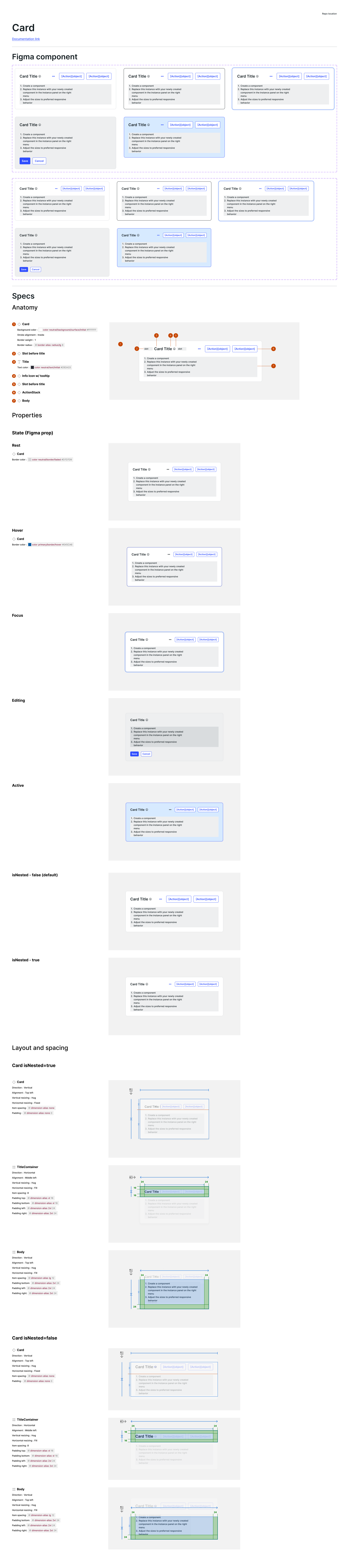
Example of design specs for a component that evolved during the project
Constellation required tight coordination across design, product, and engineering.
The four designers working on the initiative regularly aligned through critiques and reviews to ensure consistency across the platform. Any component change or update needed to be brought up to the engineers dedicated to creating the design system components to make sure behavior was clear, and accessibility was taken into account. Working closely with engineers allowed us to validate feasibility and scalability early.
Product Managers collaborated closely with design to conduct UAT and make sure every component and interaction had been correctly implemented.
Constellation delivered a cohesive redesign across Drata's platform while strengthening the design system before it scaled.
- Reduced accumulated design and technical debt by aligning workflows to a consistent system
- Established a higher bar for quality and accessibility across the product
- Validated system patterns against real enterprise workflows, ensuring they could scale
- Improved consistency across navigation, layout, and interaction patterns
- Increased speed of design and implementation by enabling teams to reuse system components, reducing the need for custom design and engineering work
- Introduced a higher bar for system changes, ensuring new components meet quality and consistency standards before being added
- Enabled rollout to 8,000+ customers on a unified experience
It was really meaningful to be part of this project. Out of a team of eight designers, four of us were responsible for applying the system across the platform, while two had dedicated months prior to building its foundation.
This created a different kind of teamwork. A large part of the organization paused ongoing work to focus on this initiative, making it a high-priority, high-intensity effort. It brought a strong sense of collaboration — we were constantly helping each other, sharing knowledge, and learning best practices around design systems, from accessibility considerations to managing component changes in Figma without breaking existing work.
Applying the system across the platform made it clear how much variation had accumulated over time. Many workflows had their own logic, patterns, and edge cases, and aligning those into a shared system required rethinking how those experiences should behave consistently.
One of the biggest takeaways for me was learning how to work with a system that wasn't fully complete. Instead of treating gaps as blockers, we used them as signals to identify where the system needed to expand or adapt.
The constraints also shaped the work. The timeline was aggressive, and we had to prioritize which areas to bring to a high level of quality for initial rollout. Balancing speed, consistency, and quality required constant alignment between design and engineering.
This experience strengthened my systems thinking — not just in applying a system, but in understanding how it evolves alongside the product and the teams building it.